Childhood trauma’s effects on Adulthood and how to deal with it

In the list of anybody’s ‘The happiest days of life,’ childhood days, will most often than not feature. If we get a chance to travel back in time, we all would definitely prefer to go to our childhood days and relive all those memories. If I were to personally recall my childhood, I feel extremely blessed because of the regular get-togethers of my family members, both from maternal and paternal sides. There was always an atmosphere of festivity which used to exist, as many people used to visit our home and used to stay with us. I have cousins, all who are of almost my age group and whenever we met, it was a lot of fun.
But, unfortunately not everyone associates these feelings to childhood memories as some people recall their childhood to be a horrifying experience since they were the victims of some or the other type of trauma. As they underwent trauma, their lives even after the childhood, get adversely affected.
As adults experience traumatic experiences, children undergo a variety of traumatic events too. These traumatic events may be the sudden loss/death of a loved one or a family member, living in a dysfunctional family, accidents, natural disasters leading to loss of wealth, health and loved ones, sexual abuse, domination and physical abuse from parents or significant others, bullying, migration to other countries as an immigrant and war situations. These events not only affect the child acutely but chronic effects of these traumatic events also can be experienced.
Children being vulnerable to the domination of adults consider themselves as helpless because of their lack of knowledge and physical strength. Many a times, they cannot express openly what they are undergoing. Usually children feel that they will not be understood and supported. Sometimes though they get support from their parents or significant others in their life, the abusers may threaten them, not to reveal anything with others. Usually they suffer with self-blame, guilt and grief. Because of these reasons, these children undergo the traumatic experiences for considerably a long time.
Consequences of childhood trauma-
- Physical health: many studies have proven that childhood trauma can result in cancer in some cases. Obesity can be considered as one of the bad effects of childhood trauma. Childhood trauma can result in Lung problems, many auto immune disorders, and heart disorders and so on.
- Mental health: childhood trauma may result in wide variety of psychiatric illnesses which includes anxiety neurosis, OCD, alcohol abuse and drug abuse, personality disorders, psychotic illness like schizophrenia and identity disorders.
- Sexual health: children who undergo sexual abuse for a long time may experience confusion with their sexuality. They may come out as sexual offenders or may face problems with their sexual life like impotency or frigidity. Some adult survivors of childhood abuse may face Genophobia, which is basically, physical and psychological fear of sexual relations and sexual intercourse.

After exposure to the traumatic event, the child may exhibit short term distress similar to adults. For a short period of time child may undergo psychological distress and sometimes physical pain. The time taken by the child to cope up with the distress and pain depends upon the culture, family dynamics, social support system of the child and previous trauma exposure. If the child has strong social support, early recovery from the trauma can be seen. Usually chronic bad effects can be seen in children who have dysfunctional families. Over the time children will come to normal levels of functioning. But some children cannot cope up by the trauma. They experience nightmares or flashback of the traumatic events and make them to suffer silently for a long period of time. This slow burning will lead to the above mentioned ill effects.
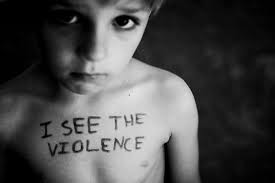
Most children with distress may not be recognized as sufferers by the caretakers. So, the children do not receive any help. If that distress is neglected in initial stages, they can turn into chronic sufferers. In my clinical practice I have seen many cases who presented with variety of physical and mental symptoms. Treatment pertaining to the diagnosis has never given any relief. There used to be recovery or cure, only when the real problem of childhood trauma is exposed and addressed. Slightest neglect of, not considering the identification of real problem will miss the complete cure.
Treatment Psychotherapy is the best treatment option for childhood trauma. Cognitive behavioral therapy many of the times has proven to be an appropriate treatment strategy. To some extent hypnotherapy gives good results for suppressed emotions related to childhood trauma. Preventive strategies
- Providing healthy functioning family to their off springs is the utmost important duty of parents.
- Proper education of the children related to their developmental stages.
- Children should be educated regarding the coping strategies in dealing with the stress in their lives.
- Helping groups in the society should be encouraged for proper identification and management of children who are undergoing any kind of trauma.
- Social workers should be properly trained in supporting during stress and bringing hope of recovery in the children who are affected badly.
As a psychologist I request every parent to be more vigilant about the behavior of their child. Even a slightest change for a long time can lead you towards the suffering of the child which they may be hiding. I would like to request all the readers if the people known to them or they themselves are the victims of childhood trauma please consult a therapist to get rid of your suffering forever as it is the only method.
Cheers.